


LITTLE MUSEUM OF DUBLIN
‘How many have read “Ulysses”?’, the guide in the Little Museum of Dublin asks. Only 1 says yes. ‘How many have attempted?’; 2 says yes. There’s good reason for asking this question on a guided tour through the history of Dublin. Oh, and by the way: The 1 person was me!


The Little museum of Dublin is a museum for the modern story of Dublin; rated Dublin’s best museum experience by irirsh Times and #1 museum in Ireland on TripAdvisor. So we opted for this instead of the National Museum. Take a guided tour. Our guide gave us a tour of women history in Dublin.


Of course, the literary giants are present here as well. The most important item (if you ask me) is a copy of the first English edition of James Joyce’s “Ulysses” opened on last page, so you can say you have read the end.


As you can see above, Ireland wasn’t the land of opportunity. Almost all the writers left Dublin. Except for Swift. Maybe that’s why he is so more exposed than his more famous colleagues… But I do think, he’s underestimated: “Gullivers’ Travels” is not just a fun story, but a serious critique of society and values of his time.
Close to the museum is St. Stephens Green. As you can see, once again I bumped into James Joyce, but Yeats is also there alongside the . The park is not that big, but nice – probably a great spot in summer.


Around the park are beautiful Georgian houses.
DUBLIN DOORS & GEORGIAN HOUSES
Instagram is overflowing with the beautiful Dublin doors in red, greean and blue adn with good reason. Dublin was the most beaituful Georgian in the 18th century British Empire. You’ll also see later architecture in the same style, but then it’s technically not Georgian. It’s wannabe…


One of the original Georgian houses, that were saved belonged to a dance academy, whos owner is depicted in James Joyce’s “Ulysses”. So when it was up for sale, it was bought and turned in to James Joyce Centre. They have great souvenirs – if you like Joyce… If you can visit Dublin on Bloomsday – do it. And take a Ulysses-tour.


The museum is mainly for big fans of James Joyce. It’s not that big a museum, but it tells about Joyce, his works and you can find the actual door from Eccles Street 7. Where Bloom lives in “Ulysses”.

Of course, I bought my souvenirs here: a notebook (for travels) with Joyce made by Irelands’ oldest bindery and a totebag. If you haven’t any of his works, start with “The Dead”.
ST. PATRICK’S CATHEDRAL
You may have heard of St. Patricks Day. St. Patrick is the patron saint of Ireland and the day is held on his supposed death day. Although, you might think he wouldn’t be to happy about Ireland, since he was from Britain, but captured by Irish pirates. Later he chased all the snkaes out of ireland, which is why you don’t see any…

St. Patrick’s Cathedral is from 1200 and the largest and tallest church in Ireland. I was really looking forward to this, but was kind of dissapointed. It was not that big, not that much too see, Swift’s tomb was inaccesible, it was quite expensive, but worst of all the beautiful Gothic room was aesthetically destroyed by a big gift shop and some decorations in the ceiling. Not good!


Of course, you also find writers here. The garden next to the Cathedral has a literary hall of fame, and Jonathan Swift is buried inside the Cathedral. He’s buried under the floor, but you can see his epitaph, editions of his works, and if you are a big fan: his deathmask and a cast of his skull!

Okay, time to go back to the beginning: beer! Sláinte!


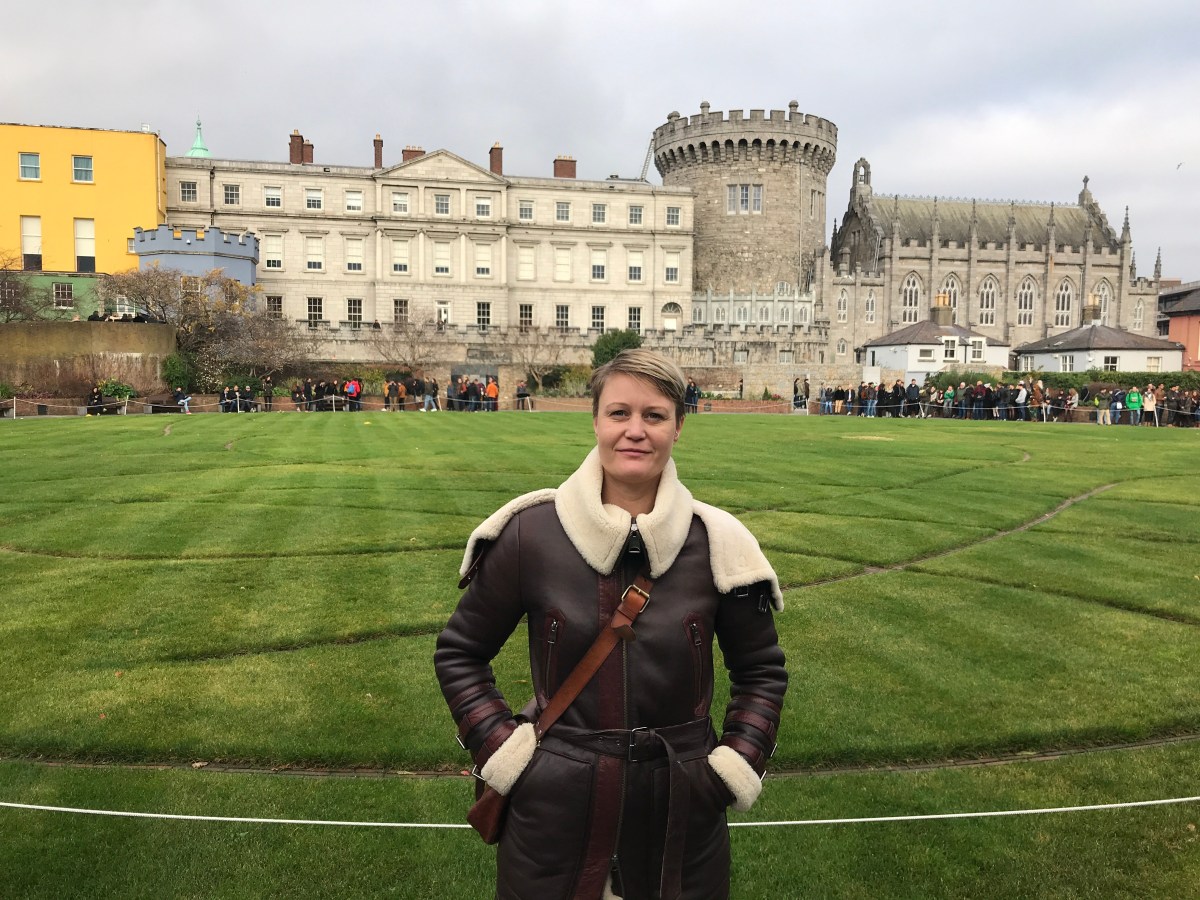
Bonus info: Dublin means Black Pool (really cool) from a pool in the Castle garden behind me here…
If you like taking the literary road, try visit Venice, Italy with death as a guide!
Do you use books for travel inspiration?

does cbd oil help inflammation, myriams hope cbd, what does cbd do to the body, how long does it take for cbd oil to work for joint pain, oil memes usa, cbd oil dab pen, prozac and cbd, quanta cbd pen, guide to cbd oil, maximum dose losartan, king kanine cbd oil, cbd oil for anxiety depression, cbd kansas city, cbd body creams, spruce topical cbd cream, cbd hemp oil gnc, find out about, i want my cbd book, holus cbd, cbd military reddit, tasty drops cbd oil, wikipedia phenolic, best canine cbd oil, is hemp oil healthy, cbd american shaman wichita, normal cbd, 5 leaf marijuana, hemp barn, where to buy cbd oil memphis, 802 hemp oil, definition of extract, healing properties definition, cbd cream pain relief, canna blast cbd, isoforms definition, marijuana definition, who cbd pdf, cbd oil vaporizer starter kit, cbd products at walgreens, sera relief cbd oil reviews, cbd oil benefit, e cloud cbd vape oil, does cbd come up in drug test, just cbd review reddit, neuro hop, cbd oil for, infinite cbd oil, percolator bong,